
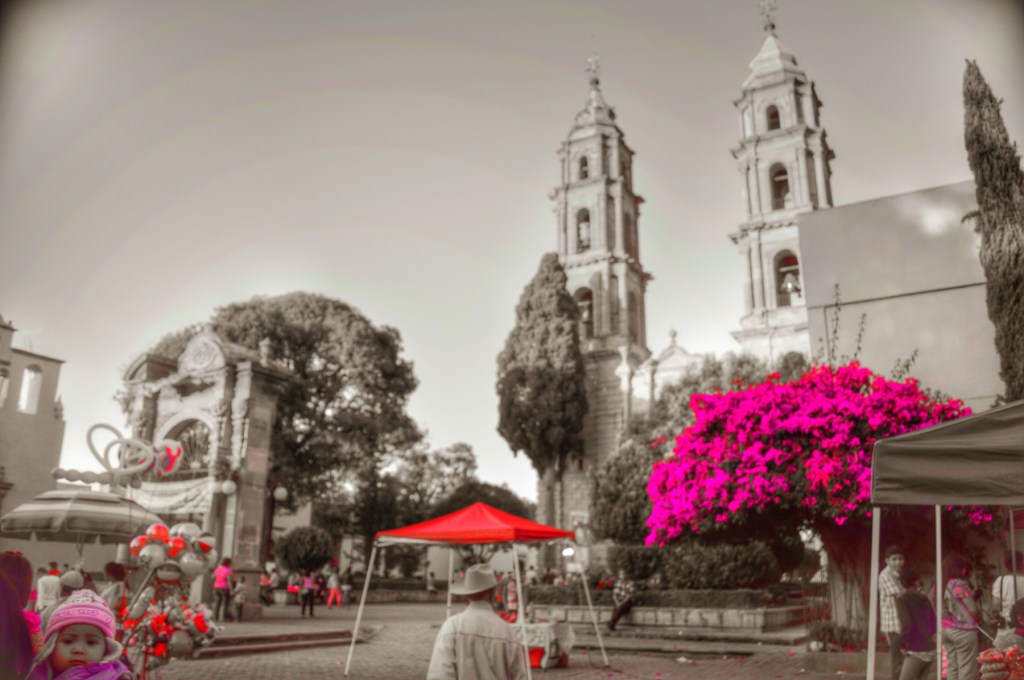
There’s a certain romanticism attached to the idea of returning home after being away for years. We dream of familiar streets, the laughter of old friends, and the comfort of family. The places we once knew so well are etched into our memory, unchanged, frozen in time. But when the plane touches down and you finally step onto the soil of your homeland, the reality often feels different.
You’re happy, of course. The sight of loved ones at the airport brings a warmth that can’t be matched. The smells, the sounds, the little quirks that you missed so much; they all rush back to you, filling the void that had quietly grown during your time away. Yet, beneath this joy lies an unexpected layer of emotion: a sense of not quite belonging.
It’s strange to feel like an outsider in the place you once called home. You notice subtle changes, new buildings, different shops, and perhaps even the way people speak. It’s as if the world moved on without you, evolving in your absence. And though you’ve changed too, adapting to life abroad, it’s jarring to realize that the connection you once had with your homeland isn’t as seamless as you remembered.
The feeling of disconnection can be unsettling. You walk through neighborhoods that once held significance, only to feel like a tourist. The conversations with friends you haven’t seen in years might feel stilted at times, as you struggle to find common ground between the lives you’ve led apart. Even with family, there’s an unspoken understanding that you’re different now. You’re still you, but you’re also someone else , a blend of your roots and the experiences that have shaped you elsewhere.
This doesn’t mean you love your home any less. In fact, the love is stronger, enriched by nostalgia and the appreciation that comes with distance. Every visit is a reminder of why you left, but also of why you’ll always come back. The duality of belonging and not belonging becomes a part of your identity. You’re a bridge between worlds, not fully anchored in either, but connected to both in unique ways.
The challenge lies in embracing this new reality. It’s about recognizing that while home may not feel exactly the same, it still holds a vital place in your heart. The memories, the culture, the people, they are threads in the fabric of who you are. And though the fit may not be as snug as before, it’s still a garment you wear with pride.
Going back to your home country is bittersweet. It’s a journey filled with joy and a touch of melancholy, a reminder of the passage of time and the changes it brings. Yet, it’s a journey worth taking. It’s where you reconnect with your roots, even if those roots have spread across different soils. It’s where you celebrate the old while acknowledging the new, where you learn to find comfort in the in-between spaces.
So, when you return to that place you once called home, embrace the mixed emotions. They’re a testament to your growth and the life you’ve built, both in your homeland and beyond. After all, home isn’t just a place it’s a feeling, one that evolves just as you do. And even if you no longer belong in the same way, the love you have for your home country will always be there, waiting for you, whenever you decide to come back.

 Jessi Arrives
Leave a comment